
Back to Back to Back...
This was probably one of the most jammed-packed days that we've had so far. Having all of the hourly speakers that came in made it a marathon of a day but it was certainly worth it. This is why MedEx is such a good program because of all the exposure that you can't get anywhere else; its one of the main reasons why I keep coming back each summer.
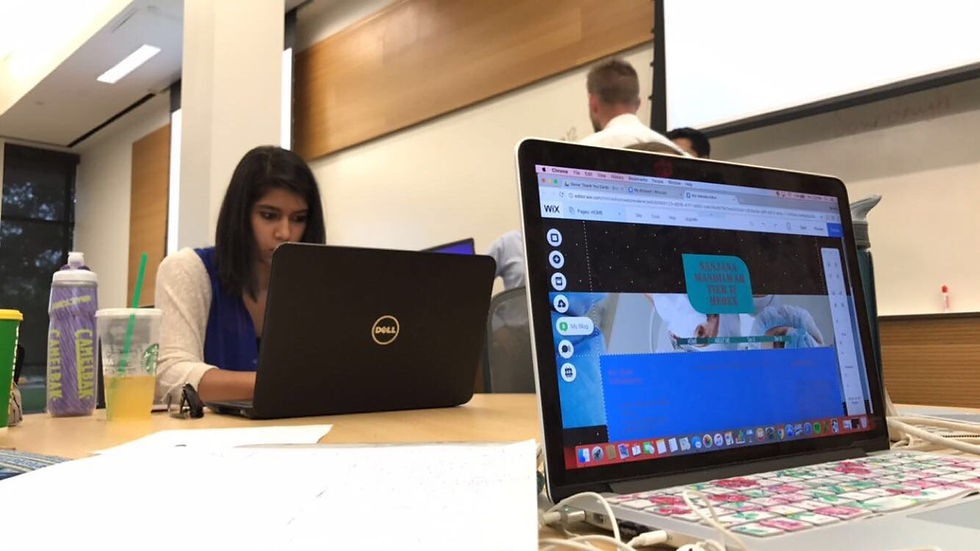
After another Bibliotherapy run-down from Mrs. Debby (who works with Lutheran Hospice), Reverend Dr. John Hartman II came to speak to our tier about how pastoral care is integrated into the healthcare system. I wasn't that all surprised when I found out in a national poll placed South Carolina patients at number three for saying that religion is very important to them. Im also aware that some people's religious beliefs do factor in (or get in the way of) their treatment (such as Jehovah's witnesses not accepting blood transfusions). One interesting notion that Rev. Hartman brought up was that hospital chaplains, if rarely, don't get sued by their patients. This makes them valuable perspectives to the doctors as sometimes the threat of being sued can cloud their judgement in a case.
Following him, Mrs. Thelma K. from the languages department at GHS came to talk to us about the different cultural and language needs and how they are legally required at the hospital. I always love interactive portions of presentations so my favorite part from her talk were the cases we were presented to at the end.
One of my overall favorite speakers of the day, however, was from Mrs. Cynthia Trout who is the Director of Surgical Nursing at GHS. Her presenttion on life in healthcare wasn't really what I was expecting. Initially, when I saw the title on the calendar I thought we would be discussing trying to have a well-balanced life but I think her focus on emotional intelligence and colleague/patient interactions was very important to hear. It made me think back to the movie Wit and just thinking about how important it is to treat people like people even though you feel as if you're constantly treating a unending stream of them.
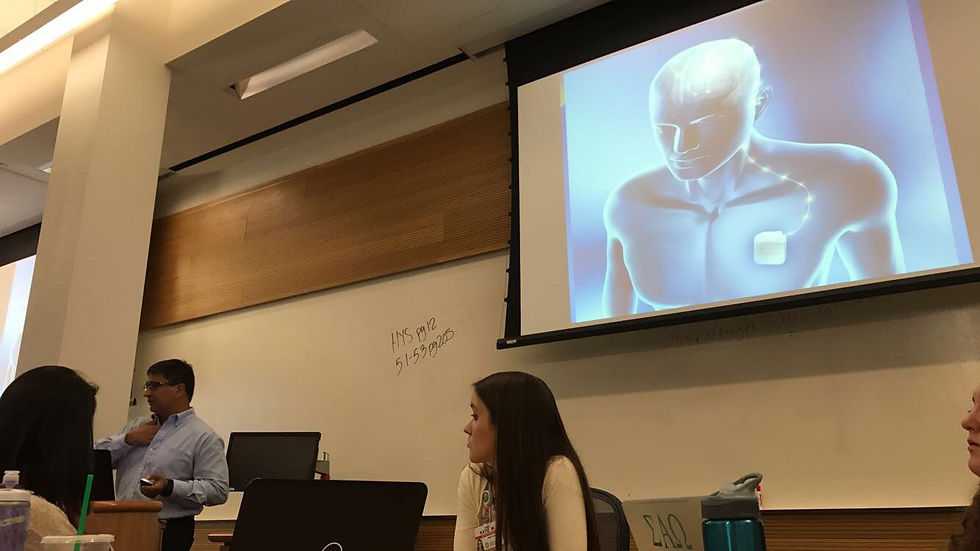
Dr. Enrique Urrea-Mendoza is a neurologist and one of our final presenters of the day. I remember him presenting to us in Tier II about Deep Brain Stimulation and the different neurological disorders that he focuses on in his research at GHS. Just seeing the videos of the patients contorted, shaking, or unmoving was difficult to watch. Its fascinating to see what survivable extremes the human body can push itself to and understanding how horrible genetic disease (such as dystonia) come about. I feel as if , however, that I need to go run a marathon just to feel grateful for how healthy I am.
- Morning Drive-in Jam -
Praying - Kesha
Suggested books and Articles:
"The Relaxation Response" - Dr. Herbert Penson
charterforcompassion.org
Patients won't remember what you said to them, patients won't remember what you did to them, but patients will remember how you made them feel. - Todd Taylor, Md
Empathy: The Human Connection to Patient Care (below)
Comments